
14 Oct

Posted By
0 Comment(s)
222 View(s)
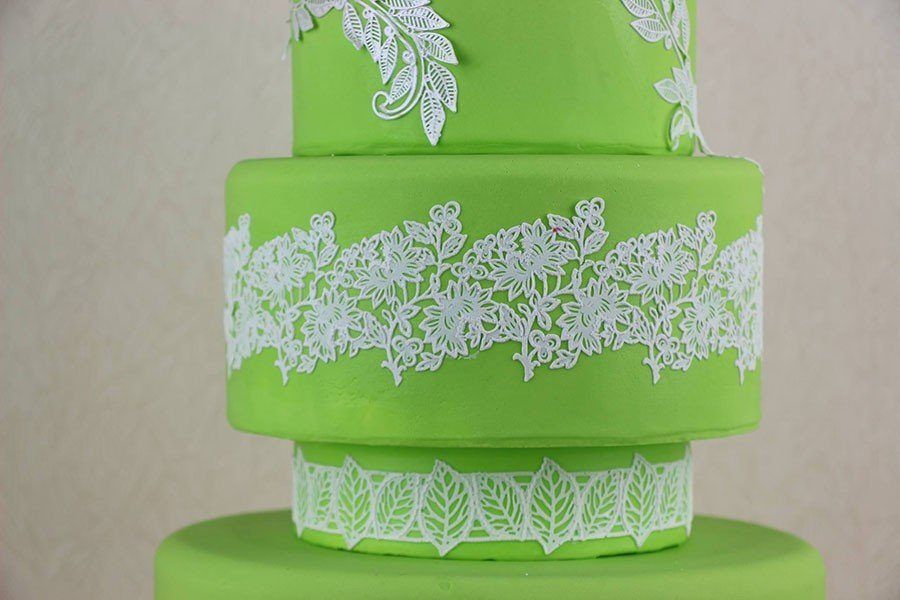
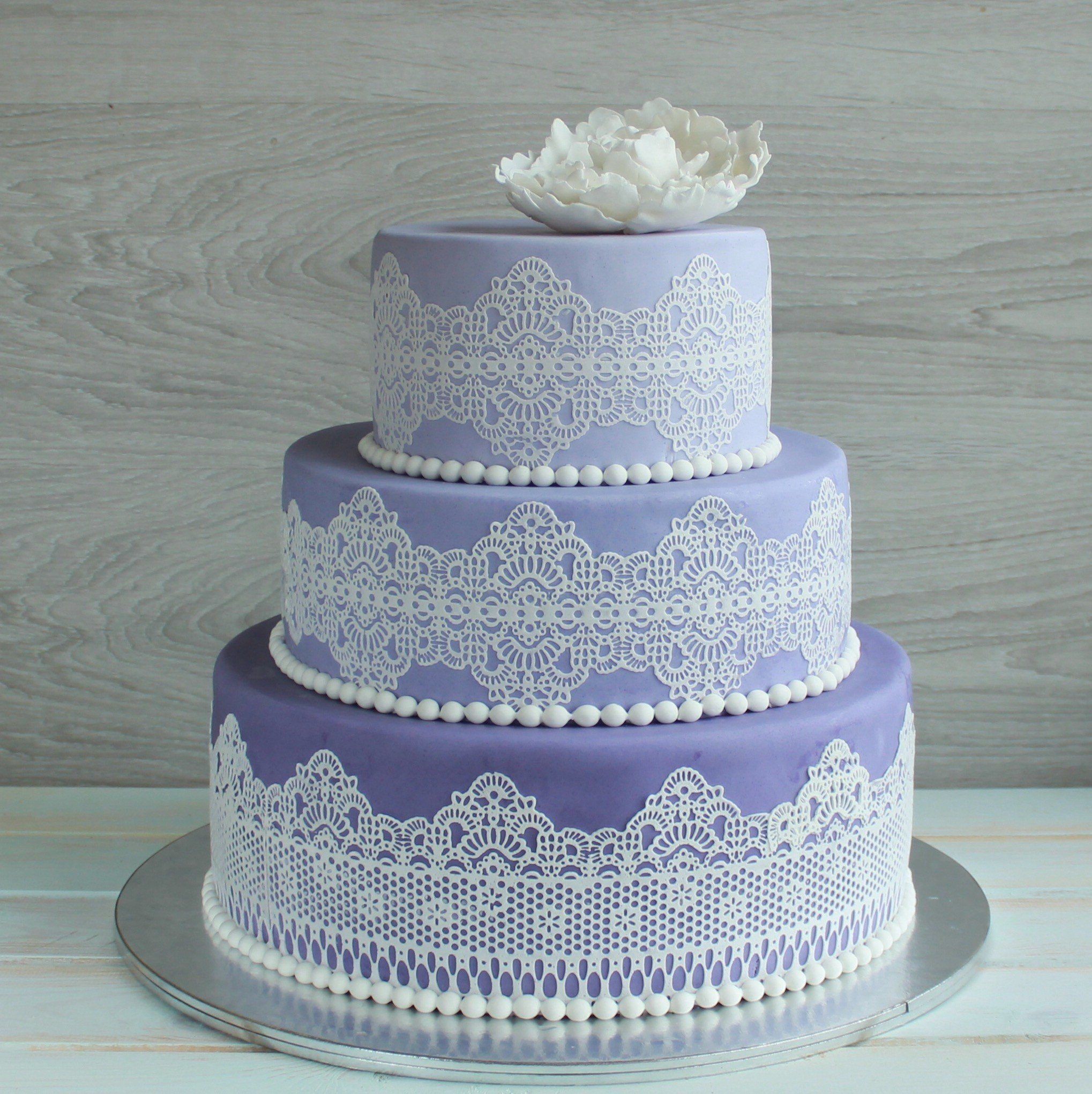
Cake decorating is a distinct branch of the culinary arts. Every pastry chef strives to make their creations not only delicious but also visually stunning. While there are countless techniques available today, we are going to focus on royal icing. This egg white-based mixture allows you to pipe beautiful 3D decorations, intricate lacework, and elegant filigree. However, it's crucial to note that royal icing is completely incompatible with buttercream or sour cream frostings, making rolled fondant the ideal base canvas.
You can make this powdered sugar and egg white mixture yourself, but it's easy to misjudge the consistency, especially for beginners. If it's your first time or you lack experience, it's much better to buy royal icing. For perfect results, you should also pick up special royal icing stencils. Though, you might feel adventurous and try freehand piping.
Many pastry chefs prefer using icing stencils because they simplify the decorating process:
1. Prepare the mixture, coloring it with water-soluble food dyes if necessary.
2. Secure the stencil onto the cake, which has already been covered with fondant.
3. Apply the royal icing and scrape off the excess using a bench scraper or spatula.
4. Carefully peel away the stencil to reveal a beautiful, crisp pattern. Using just a few stencils, you can easily create stunning and neat designs.
 Those piping freehand will need a piping bag; for intricate work, it's best to go without tips. Fill the bag with the prepared mixture, snip a tiny hole, and start carefully piping your design, either freehand or tracing a sketch on the fondant. To achieve smooth transitions or color gradients, it's very handy to use a damp brush. Just be sure to blot off excess water so it doesn't ruin your piped design.
Those piping freehand will need a piping bag; for intricate work, it's best to go without tips. Fill the bag with the prepared mixture, snip a tiny hole, and start carefully piping your design, either freehand or tracing a sketch on the fondant. To achieve smooth transitions or color gradients, it's very handy to use a damp brush. Just be sure to blot off excess water so it doesn't ruin your piped design.